
Jewelry is more than just an accessory, it’s a reflection of your personality, a way to elevate your style, and a finishing touch that can transform even the simplest outfit. Whether you’re heading to work, going out for coffee, or attending an evening party, the right jewelry can make all the difference. However, mixing and matching jewelry can sometimes feel overwhelming. With countless pieces, metals, colors, and styles available, how do you know what goes well together? This guide will provide practical tips and ideas to help you mix and match jewelry with your daily outfits effortlessly.
Understanding Your Personal Style
The first step in mixing and matching jewelry is understanding your personal style. Are you someone who prefers minimalist designs, or do you lean toward bold, statement pieces? Do you enjoy bohemian, eclectic styles, or elegant, classic accessories? Knowing your style preferences allows you to choose jewelry that complements your wardrobe and reflects your personality.
For example, if your style is minimalist, delicate rings, thin chains, and small studs may suit you best. On the other hand, if you love a boho-chic vibe, layering multiple bracelets, necklaces, and mixed materials might be your go-to. By aligning your jewelry choices with your personal style, you create a cohesive and harmonious look every day.
Choosing the Right Jewelry for Your Outfit
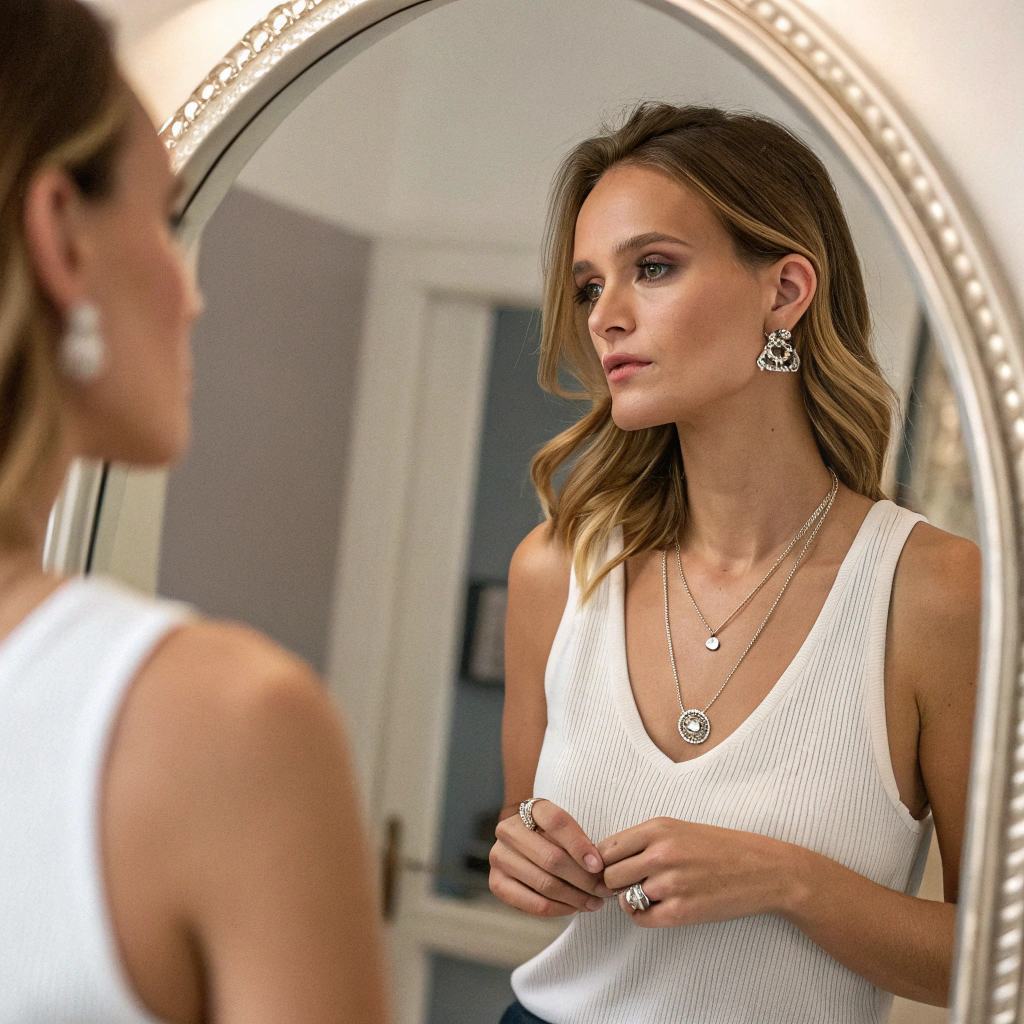
Not all jewelry works with every outfit, so it’s essential to consider your clothing when choosing accessories.
Matching metals with clothing colors: Gold jewelry looks warm and pairs beautifully with earthy tones, while silver complements cool shades like blue, grey, and black. Rose gold has a soft, feminine appeal and goes well with pastels and neutral shades.
Considering patterns and textures: If your outfit has bold patterns, it’s better to choose simpler, understated jewelry to avoid overwhelming the look. Conversely, solid-colored outfits allow you to play with bolder statement pieces.
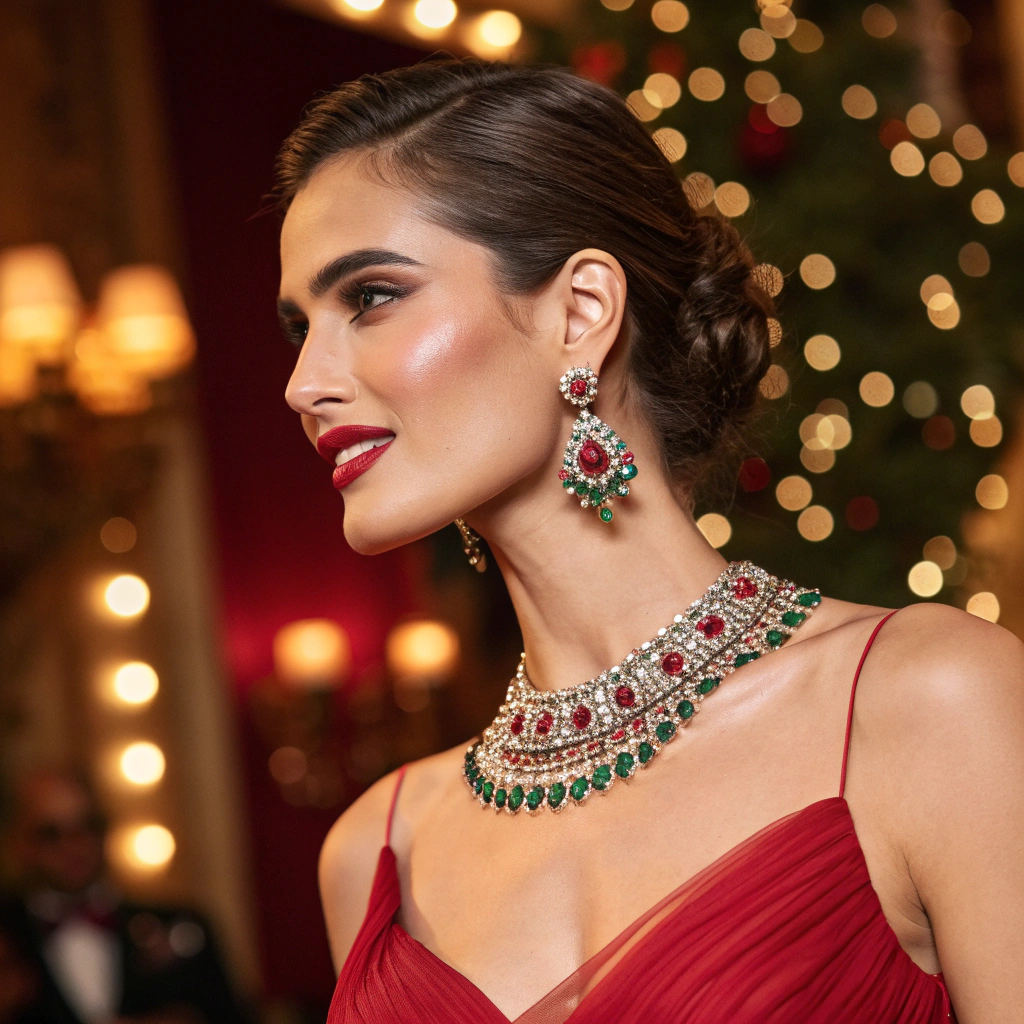
Balancing bold and subtle pieces: If you’re wearing a statement necklace, avoid overly flashy earrings, and vice versa. Balance is key one or two focal pieces combined with subtle accents create an elegant, polished appearance.
Layering Necklaces Like a Pro
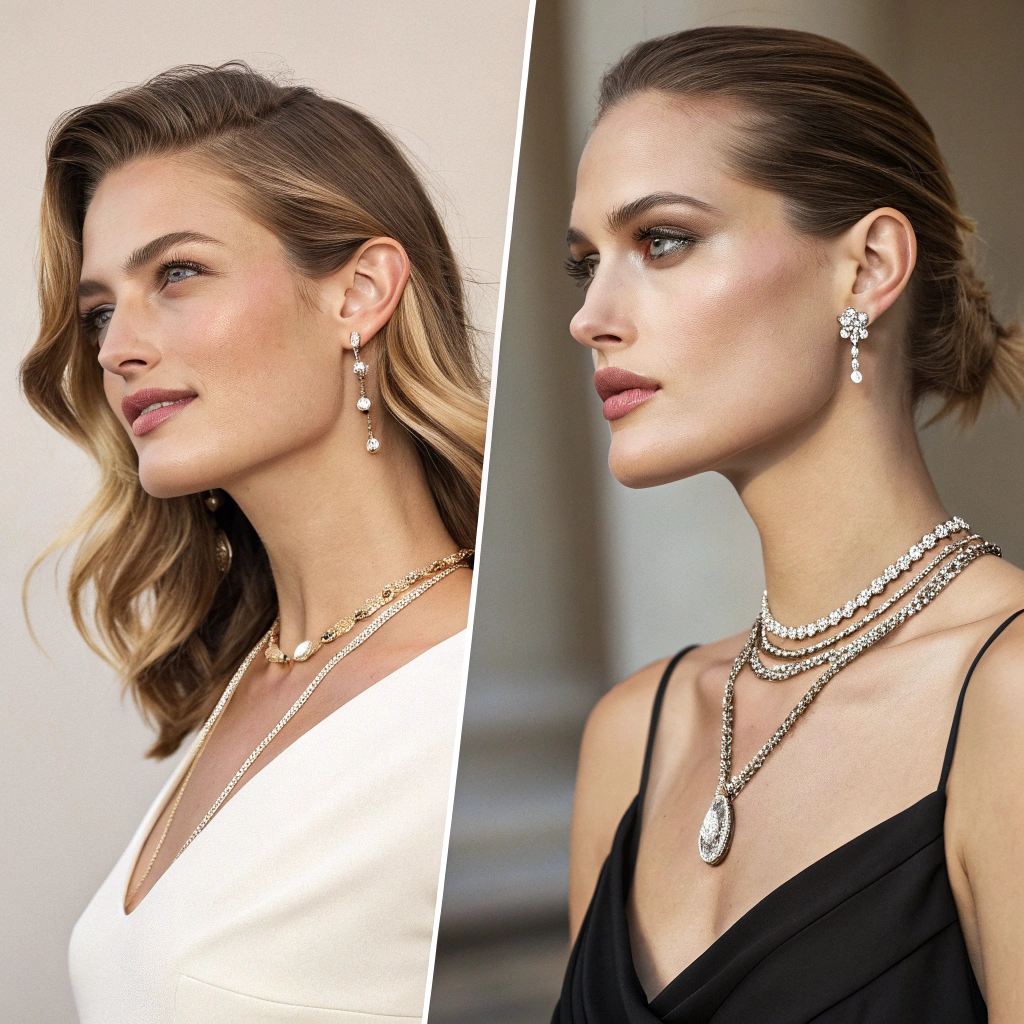
Layering necklaces is a stylish way to add depth and personality to your outfit. Start by mixing necklaces of different lengths and textures. A choker paired with a medium-length chain and a long pendant necklace adds dimension without looking cluttered.
Mixing delicate and statement pieces: Pairing a thin chain with a chunky pendant or gemstone necklace creates a fashionable contrast. Avoid overcrowding by sticking to 2–3 layers.
Choosing complementary colors: If you’re mixing metals, try pairing gold with rose gold or silver with gunmetal. For necklaces with stones or beads, coordinate colors with your outfit for a harmonious look.
Mixing Bracelets and Bangles
Bracelets and bangles are perfect for adding personality to your outfit. Stacking multiple bracelets in varying textures, colors, and materials can create a trendy, layered look.
Combining different materials: Metal bangles can be paired with beaded or leather bracelets for a casual, bohemian vibe. Keep in mind the overall color palette to ensure the pieces don’t clash.
Matching with other jewelry: Coordinate bracelets with rings or necklaces for a cohesive appearance. For example, if you’re wearing gold bangles, gold rings or earrings help tie the look together.
Varying widths and sizes: Mixing thin and thick bracelets adds depth and interest, preventing your wrist from looking monotonous.
Choosing Earrings for Daily Wear
Earrings are one of the most versatile jewelry pieces, but selecting the right pair depends on your outfit, hairstyle, and occasion.
Studs, hoops, and statement earrings: Studs are perfect for casual or professional settings, while hoops work for both casual and semi-formal looks. Statement earrings can instantly elevate a simple outfit but are best paired with minimal jewelry elsewhere.
Considering hairstyle and neckline: High ponytails, buns, or short hair allow earrings to shine. For low necklines, consider longer or dangling earrings to complement the outfit.
Mixing metals and stones: While it’s possible to mix metals, try to maintain harmony by choosing complementary tones or sticking to a consistent color palette.
Rings and Hand Accessories
Rings are an excellent way to express your style, but mixing them effectively is key to avoiding an overcrowded look.
Stacking rings: Stackable rings allow you to mix and match styles on one or multiple fingers. Combine thin bands with a statement ring to achieve a balanced, trendy appearance.
Balancing statement and subtle pieces: If you wear a bold cocktail ring, keep other rings minimal to avoid overwhelming the hands.
Mixing ring styles: Combine geometric shapes, delicate bands, and gemstone rings for a modern, fashionable aesthetic. Ensure that the metals or colors complement each other for a cohesive look.
Jewelry and Outfit Color Coordination
Color coordination is essential to make your jewelry blend or pop with your outfit.
Matching tones: Choose jewelry that complements the overall color palette. For instance, gold jewelry enhances warm colors like reds, oranges, and browns, while silver looks great with blues, greens, and greys.
Contrasting jewelry: A pop of color with a bold necklace, earrings, or bracelet can make a neutral outfit stand out. For example, a turquoise statement necklace looks stunning against a white or black top.
Seasonal trends: Adjust jewelry choices according to seasonal clothing colors. Soft pastels in spring pair well with rose gold, while deep jewel tones in winter complement silver and gold accents.
Occasion Based Mixing Tips
Different occasions require different jewelry approaches.
Casual outfits: Keep it minimal with delicate earrings, simple chains, or stackable rings. Casual bracelets and small pendants add personality without being overwhelming.
Work outfits: Choose subtle, elegant pieces that complement professional attire. Studs, thin chains, and understated rings maintain a polished look suitable for office environments.
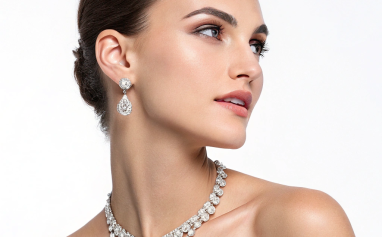
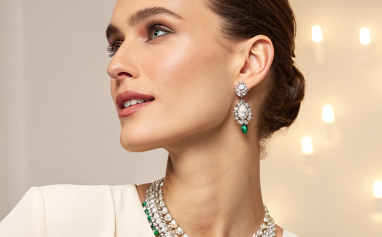
Evening or party outfits: Go bold with statement necklaces, chandelier earrings, or layered bracelets. Evening attire allows for more experimentation, including mixed metals and sparkling stones.
Day-to-night versatility: Multipurpose pieces like a delicate pendant that pairs with both casual and formal outfits help reduce clutter and increase versatility.
Experimenting with Trends
Fashion jewelry trends are constantly evolving, and experimenting allows you to discover your style preferences.
- Mix textures and materials: Combine beads, metals, pearls, and resin for a modern, eclectic look.
- Play with asymmetry: Wear mismatched earrings or mix chain lengths to create a unique, fashionable statement.
- Invest in versatile pieces: Pieces that can be styled in multiple ways—like detachable pendants or adjustable bracelets offer flexibility while keeping your jewelry collection fresh.
Experimenting doesn’t mean overloading; it’s about creating interesting contrasts while maintaining harmony.
Conclusion
Mixing and matching jewelry with your daily outfits is an art that can elevate your style, express your personality, and boost your confidence. By understanding your personal style, choosing the right pieces, coordinating colors, layering necklaces, stacking bracelets, selecting earrings wisely, and experimenting with trends, you can create endless stylish combinations.
Remember, balance is key. Whether opting for minimal elegance or bold statements, thoughtful jewelry coordination ensures a polished and cohesive look every day. Start with small steps, experiment confidently, and gradually develop your signature jewelry style. With practice, mixing and matching jewelry becomes second nature, making every outfit a fashion statement.
Add comment